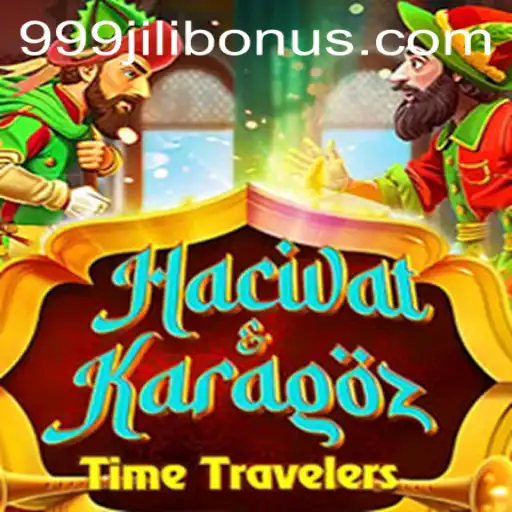
The Enchanting World of HacivatandKaragoz
The game of HacivatandKaragoz offers a delightful blend of tradition and entertainment. Rooted deeply in history, this game draws its essence from the charming shadow play duo of Hacivat and Karagoz, two iconic characters who have been cherished in Turkish folklore. Their engaging interactions and captivating narratives have transitioned from shadow puppet shows to a delightful contemporary game format, bringing their amusing tales to a wider audience. In recent times, the game has become a fascinating fusion of cultural heritage and modern-day gaming, offering players an immersive experience that bridges the past and present.
The Origin and Introduction of HacivatandKaragoz
HacivatandKaragoz originated from traditional shadow puppet theatre, a popular form of entertainment centuries ago in the Ottoman Empire. These shows were based on comedic stories revolving around the witty and sarcastic exchanges between Hacivat, the educated schemer, and Karagoz, the simple yet streetwise foil. Their playful banters served to entertain audiences by satirizing societal norms and highlighting daily life's trials and tribulations. With the passage of time, the essence of these conversations has been meticulously adapted into a board game format, bringing the old-world charm into the sphere of modern gaming.
Understanding the Game: Rules and Gameplay
HacivatandKaragoz seamlessly blends strategy and humor, offering players a distinctive gaming experience. The primary objective is to successfully navigate through various challenges posed by the game, using a mix of skill, wit, and cunning to outsmart opponents. A standard game setup includes a board depicting a fictional landscape echoing the settings of ancient Turkish neighborhoods, along with deck cards representing different events and challenges.
At the start of the game, each player chooses to either play as Hacivat or Karagoz. This choice influences the strategic direction, as each character possesses unique attributes and abilities mirroring their traditional personas. For instance, Hacivat is known for his cleverness and negotiating strength, whereas Karagoz brings spontaneity and bold actions to the table.
Phase 1: Character Selection and Setup
Once characters are chosen, players place their corresponding tokens at the starting positions marked on the board. The game employs a turn-based format, with players rolling dice to advance their tokens on the board. As players progress, they encounter different scenarios based on the spaces they land on. These scenarios mimic the traditional verbal jests and challenges faced by the original characters.
Phase 2: Tactical Decision-Making
As the game unfolds, players draw cards from the event deck, updating their strategy based on the specific conditions outlined on these cards. Events could range from simple tasks requiring resource allocation to complex problems necessitating partnerships and alliances. Herein lies a significant part of the game's strategy: aligning short-term actions with long-term goals while maintaining flexibility to adapt to unforeseen changes in the gaming environment.
Phase 3: Conflict and Resolution
The interaction between players is vital, as each decision could tilt the balance of power. Players must navigate alliances delicately, exploiting opportunities and foiling adversaries' plans through tactical decisions. The culmination of each event round often involves hilarious exchanges reminiscent of the original plays, echoing the comedic genius that made Hacivat and Karagoz legends.
The Role of the Keyword 999JILI
Incorporating modern elements, the keyword 999JILI weaves into the game's narrative arc, serving as a mystical key or code that players must decipher or wield to unlock hidden advantages or short-cut paths. This innovative addition enhances the excitement by inviting players to explore the cultural heritage through contemporary storytelling, making it all the more irresistible in the current era.
Reflection on Current Events
Today, the revival of interest in games like HacivatandKaragoz mirrors a broader cultural trend of embracing nostalgia while meeting the fast-paced lifestyle of modern society. The renewed fascination with traditional games suggests an increasing desire to find balance and escape the digitally driven environment. As society continues to evolve amidst rapid technological advancements, games that combine historic relevance with novelty, such as HacivatandKaragoz, provide a refreshing retreat into a simpler, yet intellectually stimulating realm.
The rise of such culturally significant games has also sparked conversations around the preservation of intangible cultural heritage. With modern adaptations like HacivatandKaragoz shedding light on the rich tapestry of folklore and tradition, there is a unique opportunity to educate younger generations about history, culture, and the arts while offering a platform for laughter, learning, and social interaction.
In conclusion, HacivatandKaragoz stands as a testament to the timeless appeal of folklore, cleverly woven into an engaging, strategic board game. By intertwining humor, strategy, and cultural storytelling, it invites players of all ages to step into the shoes of two beloved characters, all while navigating the humorous and challenging complexities of their world—a truly enriching journey into the heart of tradition.